The History of Formula 1: From 1950 to the Modern Grid
Formula 1 is now a twenty-four race world tour with eleven teams and a global fanbase, but it started as a single season of seven European races in 1950. The gap between those two things is about the best story in motorsport: an engineering arms race that has outlasted empires, bankruptcies and several very bad ideas about safety. Here's the shape of it.
1950: the season that started it
The FIA Formula One World Championship for Drivers began in 1950, and the very first race was the British Grand Prix at Silverstone on 13 May that year. Giuseppe "Nino" Farina won the inaugural drivers' title.
Worth saying plainly, because it gets muddled: that first championship wasn't won by the most famous name in the sport. It was won by Farina, an Italian who had already been racing at the top level for two decades before the championship existed.
Two titles, not one
One of the things that trips people up is that Formula 1 awards two championships every year, and they don't always go to the same place.
- The Drivers' World Championship goes to the driver who scores the most points across the season.
- The Constructors' Championship goes to the team with the most points, combining the results of both of its cars.
- The constructors' title came later than the drivers' — it began in 1958, eight years after the championship started.
That gap matters when you read history. Before 1958, a team could dominate the cars and the engineering and have nothing on the shelf to prove it.
The names at the top
| Record | Holder | Titles |
|---|---|---|
| Drivers' titles (joint record) | Michael Schumacher | 7 |
| Drivers' titles (joint record) | Lewis Hamilton | 7 |
| Constructors' titles | Ferrari | 16 |
Ferrari are the only team to have competed in every single season of the championship, which is a large part of how they ended up with sixteen constructors' titles. The seven-driver record is currently shared, with Schumacher and Hamilton level.
The eras, briefly
1950s — the manufacturers
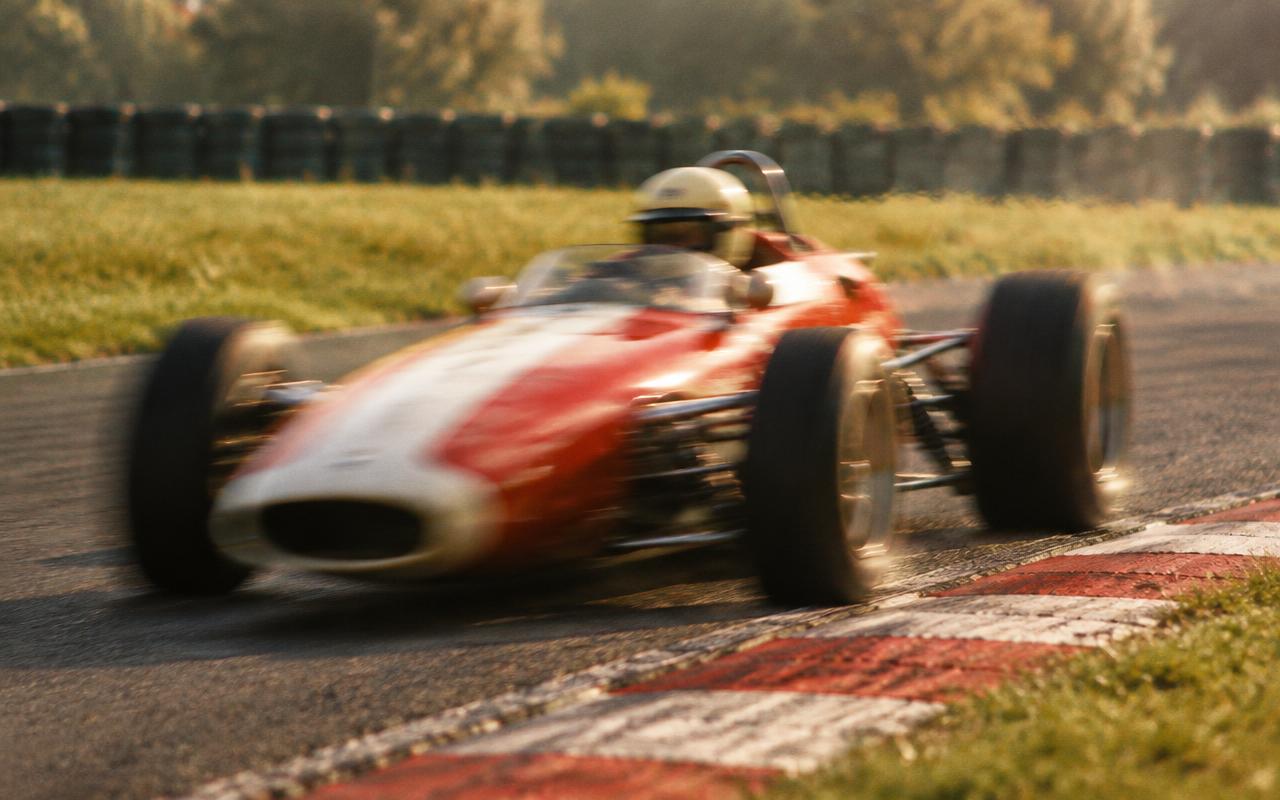
The early years belonged to marques: Alfa Romeo, Ferrari, Mercedes-Benz and Maserati. Cars were front-engined, dangerous and lightly constructed, and the distinction between a sports car and a racing car was narrower than anyone cared to admit.
1970s — Lotus and the aerodynamics revolution
Lotus became the team that changed how a racing car was designed, most notably with ground effect and the Lotus 79. Aerodynamics stopped being an accessory and became the whole point.
1980s — turbos and McLaren-Honda
Turbo engines turned the mid-eighties into a power war, with teams chasing absurd horsepower figures. McLaren and Honda then ran the era properly, taking four drivers' and four constructors' titles together across 1988 to 1992.
The Schumacher years
Michael Schumacher won back-to-back titles with Benetton in 1994 and 1995, then five consecutive championships with Ferrari from 2000 to 2004. That Ferrari rebuild is still the template for how a team climbs out of a slump.
The Hamilton years and after
Lewis Hamilton drew level with Schumacher on seven drivers' titles, in an era defined by hybrid power units, tyre management and teams being run like aerospace businesses.
Why so much of the grid is British
A striking amount of Formula 1 engineering sits in a small wedge of England — the Midlands and Oxfordshire. The Motorsport Industry Association describes a dense cluster of motorsport suppliers in that region, underpinned by precision engineering and advanced manufacturing. The usual explanation for how it started involves postwar aerospace engineers, airfields that became racetracks, and a supplier network that grew up around them.
It's less about British drivers and more about British workshops. Plenty of world champions have come from elsewhere; the people who build the cars largely live in the same few counties.
The grid today
| Season | Races | Teams |
|---|---|---|
| 2025 | 24 | 10 |
| 2026 (scheduled) | 24 | 11 — Cadillac join, taking the grid to 22 cars |
Twenty-four races is a long way from seven. It also changes what a season asks of a team: logistics, spare parts and staff rotation now matter as much as the car.
Watching it in person
A Grand Prix weekend is one of the better stag group experiences going, mainly because there's three days of it and the trackside noise is not something you get from a television. We arrange motorsport days for groups, and corporate motorsport days are something we do properly. Have a look at our Formula 1 page for what we cover, or send us your group size and preferred race through our contact page and we'll come back with options and a written quote.
Frequently asked questions
When did Formula 1 start?
The FIA Formula One World Championship for Drivers began in 1950. The first race was the British Grand Prix at Silverstone on 13 May 1950.
Who won the first Formula 1 world championship?
Giuseppe 'Nino' Farina won the inaugural drivers' title in 1950.
Who holds the most drivers' titles?
Michael Schumacher and Lewis Hamilton share the record with seven each.
Which team has the most constructors' titles?
Ferrari, with 16 — and they are the only team to have raced in every season of the championship.
How many races and teams are there now?
The 2025 season had 24 races and 10 teams. The 2026 calendar is scheduled for 24 races with 11 teams, as Cadillac join and the grid grows to 22 cars.
Sources and further reading
- Formula 1 — Silverstone circuit and British Grand Prix
- Formula 1 — beginners' guide to the drivers' championship
- Formula 1 — beginners' guide to the constructors' championship
- Formula 1 — Ferrari year by year
- Formula 1 — key highlights from the 2026 calendar
- Motorsport Industry Association — industry review
- BBC Sport — why Britain dominates motorsport
All tickets, accommodation and activities are subject to availability and confirmation in your written quote. We don't arrange flights.