Liverpool FC History: Anfield, Legends and European Glory
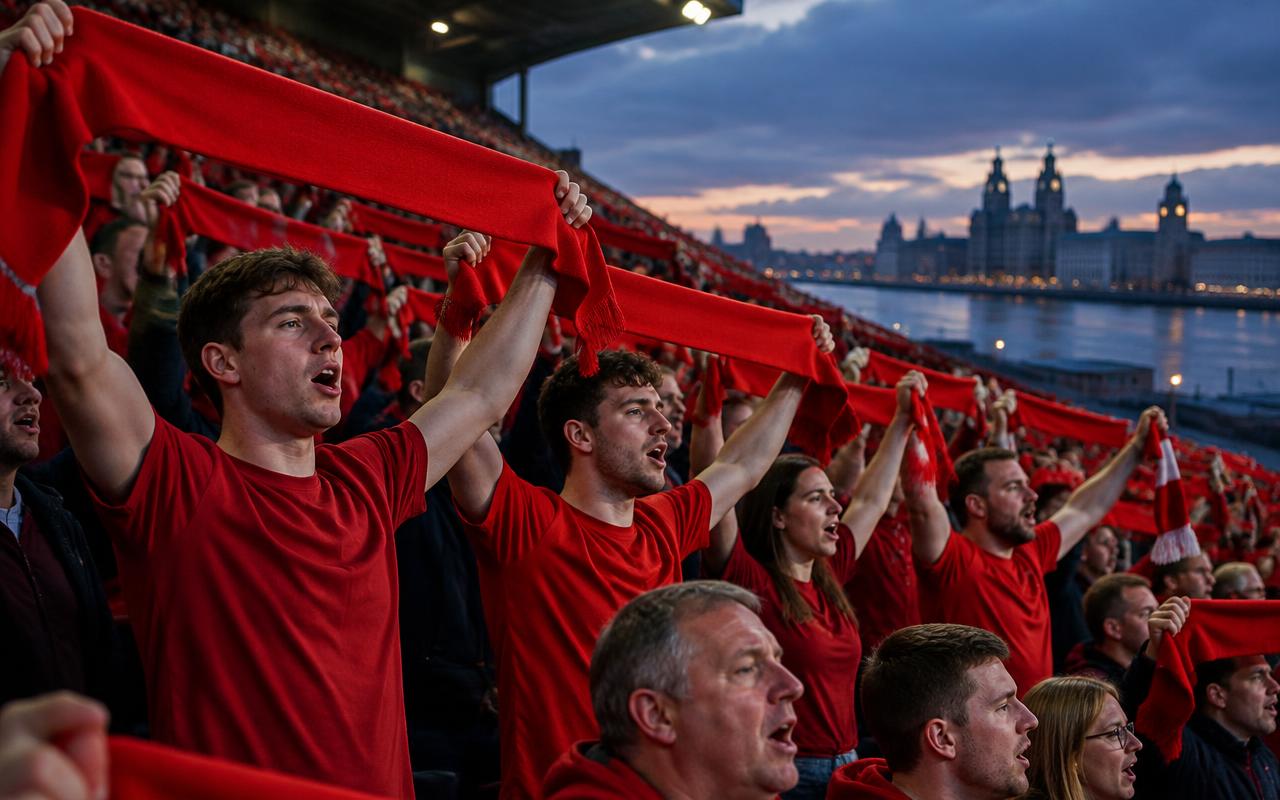
Liverpool exist because of a row over rent. The club built on that argument now has six European Cups and twenty league titles, and few grounds anywhere match Anfield for atmosphere. Here's how it happened, from Shankly and Paisley to Klopp and Slot, including the tragedy that shaped the club and its city. We're not affiliated with the club, just big fans of the history.
Born from a dispute (1892)
Anfield was originally Everton's ground. Everton played there from 1884 and leased it from John Houlding, a local brewer and politician. After a dispute over rent and how the club was run, Everton left for Goodison Park in 1892. Houlding was left with a stadium and no team, so he formed a new club: Liverpool. It's a very Merseyside origin story, and it means the derby goes all the way back to the beginning.
Early success
Liverpool joined the Football League in 1893 and won their first league title in 1901, adding another in 1906. In 1906 the club also built a large terrace behind one goal. It was named the Spion Kop, after a hill fought over in the Boer War, and it became the most famous stand in English football. More titles followed in 1922, 1923 and 1947. But by the late 1950s Liverpool were in the Second Division.
Bill Shankly (1959–1974)
Bill Shankly arrived in December 1959 and transformed the club. He won promotion in 1962, the league in 1964 and 1966, the club's first FA Cup in 1965, and the UEFA Cup in 1973 along with another league title. He created the "Boot Room" culture of coaches and introduced the all-red kit. Above all he connected the club with its supporters. Shankly retired in 1974.
Bob Paisley and the European years
Shankly's assistant Bob Paisley took over and became one of the most successful managers in history. Liverpool won the European Cup in 1977 (3-1 against Borussia Mönchengladbach in Rome), 1978 (1-0 against Club Brugge at Wembley) and 1981 (1-0 against Real Madrid in Paris). He also won six league titles and the UEFA Cup in 1976. Joe Fagan, another Boot Room man, won a treble in 1983–84, including the European Cup on penalties against Roma, in Rome.
The great teams of the 1970s and 1980s
Kevin Keegan, Kenny Dalglish, Graeme Souness, Alan Hansen, Ian Rush and John Barnes all starred in this period. Dalglish became player-manager in 1985 and won the Double in his first season, 1985–86. Liverpool won the league again in 1988 and 1990, their 18th title. Nobody knew it then, but they'd wait 30 years for the next one.
Heysel and Hillsborough
Before the 1985 European Cup final against Juventus at the Heysel Stadium in Brussels, a wall collapsed after crowd trouble and 39 people died, most of them Juventus supporters. English clubs were banned from European competition for years afterwards.
On 15 April 1989, at the FA Cup semi-final against Nottingham Forest at Hillsborough in Sheffield, a crush on the Leppings Lane terraces led to the deaths of 97 Liverpool supporters. For years the families fought false accounts that blamed the fans. In 2016 fresh inquests concluded that those who died were unlawfully killed and that supporters' behaviour did not contribute. The tragedy led to all-seater stadiums in England's top divisions. The club and city remember the 97 every year, and the "Justice for the 97" campaign remains a defining part of Liverpool's identity.
The modern revival
Gérard Houllier won a cup treble in 2001, including the UEFA Cup. Rafael Benítez won the Champions League in 2005, the "Miracle of Istanbul", coming from 3-0 down against AC Milan. Steven Gerrard, a local lad and the club's captain, was the face of that era.
Jürgen Klopp arrived in 2015. His teams won the Champions League in 2019 (2-0 against Tottenham in Madrid), the Premier League in 2019–20, the club's first league title in 30 years, plus the FA Cup and League Cups. Arne Slot succeeded Klopp in 2024 and won the Premier League in his first season, 2024–25, the club's 20th league title. Read more in Liverpool's greatest European nights.
Rivalries
- Manchester United — the biggest rivalry in English football, between the country's two most successful clubs and cities only 35 miles apart.
- Everton — the Merseyside derby, once known as the 'friendly derby' because families were often split between the two clubs.
Liverpool timeline
| Year | Milestone |
|---|---|
| 1892 | Founded by John Houlding after Everton leave Anfield |
| 1901 | First league title |
| 1959 | Bill Shankly appointed |
| 1977 | First European Cup, in Rome |
| 1984 | Fourth European Cup |
| 1989 | Hillsborough disaster; 97 supporters lose their lives |
| 2005 | Champions League final comeback in Istanbul |
| 2019 | Sixth European Cup, in Madrid |
| 2020 | First league title in 30 years |
| 2025 | 20th league title |
Visiting Anfield
Hearing "You'll Never Walk Alone" before kick-off at Anfield gets to most people, whoever they support. The expanded Main Stand and Anfield Road End mean it's bigger than ever. The streets around Walton Breck Road and the Shankly Gates are busy for hours before games. Liverpool city centre, the waterfront and the Cavern Quarter make a great weekend around a match. Our Liverpool trips page and Liverpool guide explain how we can help. Tickets and hotels are subject to availability and your written quote.
Frequently asked questions
Why was Liverpool FC formed?
In 1892, after Everton left Anfield following a dispute with landlord John Houlding, who then formed Liverpool.
How many European Cups have Liverpool won?
Six: 1977, 1978, 1981, 1984, 2005 and 2019.
How many league titles have Liverpool won?
Twenty, the most recent in 2024–25.
What happened at Hillsborough?
On 15 April 1989, 97 Liverpool supporters died after a crush at the FA Cup semi-final in Sheffield. In 2016 inquests found they were unlawfully killed.
Sources and further reading
Fancy seeing it live? Tickets and packages are subject to availability and confirmation in your written quote. We don't arrange flights.